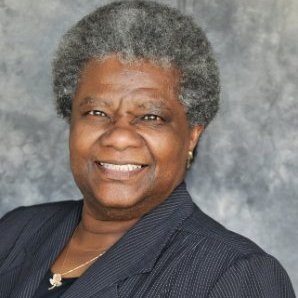
Billie’s Blog: A Life of Hope

On February 14 this year, I received the ultimate Valentine. My son and daughter-in-law delivered a special card to me, announcing I would be a first-time Grandma in October. What a delightful surprise! I have been floating in the clouds ever since, and I am wearing a permanent grin. What fun I am having as I announce the event to all my friends. But before that, after my son and daughter-in-law left, I had a wave of musing as I considered what the child might do for a career, and a gazillion other questions danced through my brain. In an instant, I heard myself sound ludicrous. Then I said, “STOP!” My most fervent hope became that mom and baby would be healthy, safe, and happy. End of musing.

I learned a lot about hope as I conducted research for this blog post. My previously held belief was that hope was completely spontaneous and that one either had it in a certain circumstance or did not. “I hope I get a great parking place.” “I hope the line is short at the lunch counter.” “I don’t see how I can ever get out of this mess.” I believed hope was based in thoughts. However, we can control our hope and, therefore, bring more of it into our lives.

We all have hope for myriad reasons—big and small, mild and serious, local and global. Hope may be there when we need it most, or it may seem as elusive as a flitting bird. Despite the turmoil swirling around us, there are ways to nurture hope in our lives. Hope is a choice, often made in difficult times. In dark times, it is important to engage in self-care. Staying as active as possible, physically, stimulates the mind and body. Consider also activities that bring a sense of serenity into our lives. Hope is an action, a verb. We create our own hope by what we do. People who have hope are out doing things.

Hope is crucial to human survival and affects our ability to thrive. Without it, we die mentally, emotionally, spiritually, and physically. People with hope are healthier and happier than people without it. People who have hope take better care of themselves—dietary, exercise, rest, recreation—and have higher self-esteem overall. Of course, there are countless situational hopes: injuries, losses of every kind. Still, people with an attitude of hope in their daily lives are stronger.

Hope is the by-product of conscious choice and intentional action toward a better life. It does not mean life will be perfect or that a specific, desired outcome will come to fruition. What it means is that over time, the energy poured into the circumstance will result in resilience and the resolve to go on. 

Nurturing hope in oneself and others can be a challenge. Current events affect all of us globally as individuals. When we are stuck in what feels like a spiral of hopelessness, we can acknowledge our feelings and sit with them without allowing them to devour us. Recognize them for what they are—feelings; they are not reality. Hopelessness is usually an unwanted, uncomfortable guest. We can try to find something we enjoy, sending hopelessness packing. Other ways to find hope in our lives are through journaling, talking with a trusted friend or professional, or getting involved in an activity we enjoy. It is critical to know that we never have to deal with hopelessness alone.

We are living in an era of high stress in our own backyards and globally and everywhere in between. When stressful times are layered over the vagaries of everyday living, finding hope can feel daunting. During these dark times, community becomes central. Connecting with other people to work toward a better future fosters hope in everyone. This is true whether the matter at hand is personal or international. Here are some ways communities can come together.

  • If not already in place, find groups of like-minded people: church, neighborhood, family, friends, affinity groups, etc.
  • Remember, hope thrives on activity. Offer to care for one another, such as running an errand.
  • Share stories of hope. Have fun. Laugh a lot.
  • Limit negative exposure; balance with positive.
  • Acknowledge shared circumstances without trying to “fix” each other.
  • Stay grounded in the present moment and try to set a daily goal of getting through the day, living one day at a time.

Even small amounts of Compassion and Grace go a long way when we encounter seemingly grumpy or thoughtless people. A usually cheerful person may make a snarky comment, or someone may rudely let a door slam in our face, or a friend may forget to acknowledge receipt of a birthday card. Most people, including us, are not intentionally mean. But, as we saw above, everyone is living with a lot of stress, which can cause feeling tired, frustrated, stressed out, and absent-mindedness. Even we may be affected. So, we can be kind even when it appears the other person doesn’t deserve it. Maybe they need a sliver of hope in their day. And it will certainly keep a smile of hope in ours.

Hope is a conscious choice we make to create a better life for ourselves, those around us, and the world in which we live. With others, we take intentional action toward our goals, knowing the outcome may differ from our vision, but knowing we will be strengthened and more resilient because of our efforts. Because of that, we have hope.


Billie Wade, guest blog writer for Mind & Spirit Counseling Center

Billie Wade is a gregarious introvert whose primary interests are writing, lifelong learning, personal development, and how we all are affected by life’s vagaries.

Issues facing Black people, women, the LGBTQ community, and aging adults are of particular concern to her. She enjoys open-hearted dialogue with diverse people. The opinions expressed here are her own.
Billie’s Blog: The Honor of Your Presence

“The most precious gift we can offer anyone is our Presence.” Thich Nhat Hanh

Have you ever agonized over what to give someone as a gift? Are you puzzled when someone asks what you want for a gift? How about giving them a hand-written “gift card” for your Presence to be “cashed” whenever the recipient feels the need. Or a card requesting the honor of their Presence for you? Presence is the state of being in which one devotes full time and attention to the needs—usually emotional or spiritual—of another.

Presence has been called a human superpower, and with good reason. Offering someone the dignity and respect of Presence may transform the lives of everyone involved. We think of “being there” when a loved one or a friend is hurting. Other forms of Presence are just as vital to our relationships. Attending the concert of a friend as a surprise. Mentoring someone as they master new skills and self-confidence. You may see the person’s eyes light up or their face brighten.

To be Present with someone is to first commit to creating a space where distractions can be held to a minimum. Lean into what they are saying or doing to hear the meaning beneath the words they speak. Pay attention to their body language, their vocal inflection, and their facial expressions. No checking or answering the cell phone. No watching television or the jumbotron at the bar. No doing chores or paying bills. Stay engaged by asking meaningful open-ended questions in a nonjudgmental tone and offering feedback when requested, when you need clarification, to summarize what the person said, or with permission. Gentle nodding or shaking your head lets the person know you are listening.

Some distractions are internal. The person may share some information that triggers memories of your own experience you want to let them know about (The “That happened to me, too.” Or “What happened to me was worse.” Or “I know how you feel.”). You may deal with some disconcerting news of your own, or you may be unsure where the person is going with the story, so you are concerned about your ability to be useful in the situation. Mental health disorders such as anxiety or depression, or life stressors also can affect your ability to focus. If your distractions are intense or severe, you may need to ask the person if the conversation can wait until you are feeling more able to be fully Present with them.

When you are fully present, the recipient is treated with the respect and dignity their situation deserves. When someone gives of their Presence, they exude authenticity, which helps the recipient to relax and to entrust their story. They trust they will be listened to, really heard, without judgment and with full confidentiality. You are allowed a vision into a tender part of the person’s life. You have the privilege of seeing the light within the other person through their eyes, voice, and body.

Set parameters and boundaries in advance, if possible, to avoid misunderstandings. Know your capacity for someone else’s hard conversations. Protect your personal and intimate boundaries with gentleness and self-compassion. Your Presence requires you to mostly listen.

Presence brings myriad interpersonal benefits. Relationships improve with your ever-increasing listening and communication skills. You develop and hone feelings of empathy and compassion for others. Presence helps create in you a sense of humility as you come to understand the plight of others.

There is more to Presence than interpersonal relationships. Presence slows you from the frenetic busyness of your days, especially during the winter holidays. Pay attention to what goes on around you. The people you encounter throughout your day, each with their own thoughts and cares. Let in a car when there is a line behind you. Do the same for someone in line at the office supply store. Leave home ten minutes early and try driving the posted speed limits and see how you feel.

Listen and watch for sounds and sights missed in haste. A cardinal perched on a snow-covered branch. A dad cooing to his baby in a carrier while in line at the grocery store. Notice signs of life everywhere around you. Be Present with life and all it offers. While anything but passive, Presence is not a verb, but a state of being in the world, a way of life, a lifestyle. Spend time in solitude, time to go within and give yourself the gift of your Presence.

Be Present with the important people in your life. Ask your loved ones how their day unfolded, how a challenge turned out for them, or what happened with a certain situation. Likewise, praise them for navigating a tough circumstance, even if it turned out differently from what they planned or hoped.

William Stafford framed the essence of Presence well when he wrote, “Will you ever bring a better gift for the world than the breathing respect that you carry wherever you go right now?”

Let us broaden our desires for the winter holidays and beyond. Employ the power of Presence in every aspect of your life to enhance and deepen all your relationships—personal, professional, and social; and remember your relationship with yourself. Presence is a precious and powerful gift, one that will stay with people for years to come, especially when delivered with a hand-written “gift card.” Or, when someone requests the honor of your Presence.


Billie Wade, guest blog writer for Mind & Spirit Counseling Center

Billie Wade is a gregarious introvert whose primary interests are writing, lifelong learning, personal development, and how we all are affected by life’s vagaries.

Issues facing Black people, women, the LGBTQ community, and aging adults are of particular concern to her. She enjoys open-hearted dialogue with diverse people. The opinions expressed here are her own.

Billie’s Blog: 20 Ways to Ease Loneliness

Living alone can lead to feelings of freedom and independence or trigger feelings of loneliness and isolation. While aloneness and loneliness are often used interchangeably, and often travel together, they are different.

Billie’s Blog: A World of Social Acceptance

Social acceptance is open, trusting, deep, and positive regard for others. We recognize everyone’s right to a life of dignity, regardless of skin color and other demographic markers. We learn how the sharing of resources, whether financial, creative, or intellectual, enhances life for everyone, as all receive equal opportunities for expression and participation. Social acceptance tells us to honor the desires of all people to live as fully as possible.

Acceptance does not equal agreement. I may disagree with someone while accepting the person for who she or he is. I have a close friend whose political views differ from mine. When we tackle issues, recognizing that many are volatile, we do so without political rhetoric. We discuss the issue at hand without accusations and finger-pointing. Acceptance doesn’t aim to discount who we are, but to honor everyone as equal, viable, and valuable.

I attended graduate school with a delightful woman who used a wheelchair and who had several obvious physical disabilities. Despite her cheerful disposition, some classmates avoided her or ignored her, which was ironic and unfortunate as the program prepared us to work with people who have disabilities. Students who engaged with her from the outset served as powerful peer examples of what was possible. They showed curiosity, openness, and compassion, which opened a door through which the rest of the class could venture. By the end of the semester, most classmates had grown to accept her intelligence and her contagious, effervescent attitude. The process took time and repeated exposure to her. The overall environment of the class supported the healthy formation of relationships for all students. Interaction and relationships change people’s minds.

Many white people fear that acceptance of minorities threatens what they see as a delicate and precarious status quo of privilege and power. That is far from the intention of acceptance. Social acceptance levels the field of opportunity for everyone. Black people and other marginalized people then have equal chances to reap the benefits that white people take for granted in a thriving society. We are no longer bystanders watching a world that profits from us but denies us access to the rewards that come with privilege. Promoting the welfare of disadvantaged people promotes the welfare of privileged people as well. Privilege under our Constitution is a right intended for everyone. There are more than enough resources for all.

Acceptance is a choice that one arrives at through introspection. It is an opportunity to ask: How can I look at this differently? White people have the responsibility to look at the subtleties and nuances of policies and practices and ask tough questions: (1) Am I exempt from this ruling because I am white?; (2) How does this policy affect Black people and other people of color?; (3) If I build a highway or mall through this neighborhood and displace the residents, how will it affect the existing community and how will that affect me?; (4) Are my decisions humane?; (5) How would I feel if I or a loved one were subjected to this?

White people must begin with admitting the pain and damage their privilege and power have brought into the lives of non-white citizens. They can look honestly at their environment and the world they have created and acknowledge the innumerable privileges they enjoy solely because of the color of their skin and how other people are denied those privileges. They can look at hurtful systemic factors such as the construction of roads through Black neighborhoods, the building of exclusive communities, and the allotment of services. Whenever white people receive a privilege because of the color of their skin, people of color receive an injustice. The challenge is to bring the inequities of white privilege to the attention of white people who care, so they are not blind to it and then, hopefully, have enough empathy to make changes. Transformation begins with white people reaching out to Black people and other people of color with sincerity, honestly and openly admitting the inequities, and offering actual solutions.

While the fundamental change is largely the responsibility of white people, non-white people also have a challenge. We must continue to tell our stories in the news, books, magazines, and on social media. We must continue to speak out about injustices and be willing to risk hearing innumerable times that we are overreacting, that times have changed, or that we need to stop whining. Improving race relations is everyone’s job.

We all have a role to play in the furthering of freedom, inclusion, and equality for all people. We can:

  • investigate our fears and prejudices.
  • ask ourselves whether our opinions and beliefs are in line with our values.
  • take classes and workshops that aim to help us transform our opinions and beliefs about others.
  • read books that address issues of race relations and white privilege.
  • approach people different from us with an attitude of curiosity and genuine interest.

We are all challenged to look beyond gender, age, disability, and the people who don’t fit our definition of valuable and viable. Change begins on the ground with honesty and sharing, rippling out from one person to another. We must all be willing to be vulnerable and receptive by having the courage to seek people different from us and build relationships.

Previously published on Escape Into Life:

June 25, 2018


Billie Wade, guest blog writer for Mind & Spirit Counseling Center

Billie Wade is a gregarious introvert whose primary interests are writing, lifelong learning, personal development, and how we all are affected by life’s vagaries.

Issues facing Black people, women, the LGBTQ community, and aging adults are of particular concern to her. She enjoys open-hearted dialogue with diverse people. The opinions expressed here are her own.

Billie’s Blog: Independent or Emancipated?

Fifteen days separate June 19th from July 4th on the calendar. The significant events of these two dates, July 4, 1776, and June 19, 1865, took place eighty-eight years, eleven months, and fifteen days apart. July 4th was hailed as Independence Day. June 19th was dubbed Emancipation Day, also known as Juneteenth. The two terms are separate, and they are not equal. On Independence Day, the United States of America extricated itself from the rule of Great Britain and became a sovereignty in its own right. All thirteen colonies signed the Declaration of Independence. Conversely, the Emancipation Proclamation was an Executive Order signed by President Abraham Lincoln. The document freed only those slaves held in Union states, making those men eligible to fight in the Civil War. The Proclamation, delivered to Galveston, Texas, over two and a half years after its signing on January 1, 1863, was as much a war and political strategy rather than a strategy for slave freedom.

While the two documents functioned differently, there were similarities in form: The signers of both were wealthy white men who owned land, livestock, crops, and people whom they regarded as chattel property, livestock, and currency. The Emancipation Proclamation did not consider any input from the enslaved people the document stated it freed. According to Public Broadcasting System (PBS): The Emancipation Proclamation did not free all slaves in the United States. Rather, it declared free only those slaves living in states not under Union control. William Seward, Lincoln’s secretary of state, commented, “We show our sympathy with slavery by emancipating slaves where we cannot reach them and holding them in bondage where we can set them free.” Lincoln was fully aware of the irony, but he did not want to antagonize the slave states loyal to the Union by setting their slaves free.

The proclamation allowed black soldiers to fight for the Union — soldiers that were desperately needed. It also tied the issue of slavery directly to the war.

The Declaration of Independence does not seem to be a declaration of absolute freedom, just freedom from chattel slavery. Enslaved men were released by their holders without financial resources, property, formal education, or vocational training. Then, they were trained in the violence of warfare, Abraham Lincoln’s warfare. We have no immediate information about the freedwomen and children, some of whom had formed family units with the men. Once again, Black families were torn asunder in the name of the whims of wealthy white men. Also, while disentangling Black people from the horrors of slavery, the Emancipation Proclamation fanned the flames of anger, hatred, and fear of white people, especially those who were forced to release their slaves.

Two-hundred-forty-nine-years after the signing of the Declaration of Independence, the United States of America remains a sovereign country. One-hundred-sixty-years after the signing of the Emancipation Proclamation, African American Descendents of Slaves still are not free. You see, emancipation does not follow a natural trajectory to independence, then to freedom. America is free to decide in the country’s best interests. Black people do not have, and have never had, that freedom. Everything about our lives is dictated to us—where we live, where we worship, what jobs we hold, what our income should be, the education we receive, etc.

July 4th is rightfully celebrated as a day of joy. People hold parades, wave flags, host neighborhood picnics, and shoot firework displays. June 19th, also known as Juneteenth, is an equally rightful day of celebration. The holiday is a day of remembrance of the experiences and sacrifices of our forebears, and our resilience, and our tenacity as a people to never let go of the dream of possibility in our hearts, despite daunting obstacles that remain in our paths, and new ones that pop up daily.

Freedom is not a one-day, one-time proposition. You cannot make a bowl of potato salad and be done until next year. What are you doing every day to nurture your freedom and the freedom of others? Do you fear the freedom of others will harm your freedom or the freedom of people you love? What are your fears about what will happen if someone different from you moves into your neighborhood or joins your family or religious community? Think about other fears you may have about people different from you. How can you bridge the chasm between you and “othered” people and begin to communicate? Perhaps you could start by inviting them over to share a bowl of your award-winning potato salad.


Billie Wade, guest blog writer for Mind & Spirit Counseling Center

Billie Wade is a gregarious introvert whose primary interests are writing, lifelong learning, personal development, and how we all are affected by life’s vagaries.

Issues facing Black people, women, the LGBTQ community, and aging adults are of particular concern to her. She enjoys open-hearted dialogue with diverse people. The opinions expressed here are her own.

Billie’s Blog: Let’s Talk About Mental Health

Mind and Spirit Counseling Center hosted the 27th Annual Women Helping Women luncheon on Friday, May 2, at Prairie Meadows. Nearly 600 attendees were treated to a delicious lunch while honoring community leader Mary Gottschalk. Women Helping Women began in 1999 with a mission to support women and girls who lack financial resources to access mental health services. The first event was held in the Kelley Conference Room, Methodist Conference Center on Thursday, March 18, 1999. One hundred women attended. Since then, the initiative has raised over $2.5M.

This year’s theme of Women Helping Women was “The Impact of Social Media on Mental Health.” While social media appears to affect youth (ages 6-17) more often, adults are not immune. An estimated 4.9B people globally use social media, with an average adult use of about 145 minutes per day. Youth users report upward of 5 hours per day. Social media’s focus is physical appearance, with filters that allow users to exaggerate their image. These filters may contribute to feelings of low self-esteem, low sense of self-worth, depression and anxiety, as users compare their screen self to their reality and the screen appearances of others.

There are ways to foster healthier use of social media. You can try setting an alarm to limit your screen time, which can be quite useful. Let others know you are limiting your screen time and how long you will be on the channel. You may also want to make appointments with yourself and include the time of day and for how long. Setting limits and drawing boundaries can seem daunting at first. Over time, you may recognize improvements in yourself and others. Another technique is to unfriend people whose “comments” cause you to see yourself negatively. You can refriend them later, if you wish. Activities which bring you enjoyment and allow for interaction with others may be helpful.

Social media is particularly enticing to youth—ages 6-17. To help children, you can work with them to find healthy alternatives and apply the techniques above to their screen time.

Mental illness is much more than social media impact. In 1949, the National Association for Mental Health, now known as Mental Health America, dubbed May as Mental Health Awareness Month. MHA expanded its focus on mind and body wellness in 2019 to include the benefits of animal companionship, spirituality, humor, work/life balance, and social connections.

MentalHealth.gov states that “Mental health includes our emotional, psychological, and social well-being.” It affects how we think, feel, and do. How we handle stress, relate to others, and make choices are all affected by our mental health. Mental health is important at every stage of life, from childhood and adolescence through adulthood. MSCC is at the forefront of providing exceptional mental health services, education, and resources to everyone seeking healing, growth, and hope. Everyone associated with the Center is acutely aware of the effects of mental illness on everyday life.

According to the National Institute of Mental Health (NIMH), mental illnesses include many conditions that vary in severity, ranging from “mild to moderate to severe.” Two broad categories used to describe these conditions are: Any Mental Illness (AMI), which encompasses all recognized mental illnesses, and Serious Mental Illness (SMI), which is a smaller and more severe and specific subset of AMI. SMI includes “major depression, schizophrenia, bipolar disorder, post-traumatic stress (PTSD), and borderline personality disorder” (Department of Veterans Affairs).

NIMH reports that “nearly one in five U. S. adults live with a mental illness (46.6 million in 2017).” The estimation translates to about 600,000 Iowans living with mental illness and 37,000 Iowans living with serious mental illness reports the National Alliance on Mental Illness (NAMI). In Mental Health America’s 2023 The State of Mental Health in America Report, Iowa ranked 25 in terms of “prevalence of mental illness and access to mental health care.”

Mental illness has no quick-fix remedies and no cure. But many people can live productive lives with treatment—counseling and pharmaceutical—support, education, social services, and resources. Stigma, societal and internalized, is a major barrier to treatment. Other barriers include lack of financial resources, lack of information about where to get help, and lack of social supports. Social supports include but are not limited to transportation, childcare, and cultural stigma. Some people fear and mistrust mental health professionals, mood-altering drugs and addiction—even prescribed medications—and fear of losing independence. There are a myriad of other reasons people do not seek professional mental health services.

Mental health awareness means listening to others and talking to trusted people. The organizations mentioned in this post are excellent resources for learning more about mental illness. And, of course, you may contact Mind and Spirit Counseling Center, Urbandale, Iowa, 515-274-4006, where they will be happy to answer your questions and help you explore the best mental health options for you.


Billie Wade, guest blog writer for Mind & Spirit Counseling Center

Billie Wade is a gregarious introvert whose primary interests are writing, lifelong learning, personal development, and how we all are affected by life’s vagaries.

Issues facing Black people, women, the LGBTQ community, and aging adults are of particular concern to her. She enjoys open-hearted dialogue with diverse people. The opinions expressed here are her own.

Billie’s Blog: The Antiracism Book Club Explained

You may have considered joining the Center’s Antiracism Book Group announced in the newsletter, but you have some questions and do not know whom to ask. May this month’s post be useful.

According to Statista, in 2020, of the 1,020 people killed by police officers, 243 were Black. These numbers included Breonna Taylor, murdered on March 13 in Louisville, Kentucky, and George Floyd, murdered on May 25 in Minneapolis, Minnesota. These headliners led Terri Mork Speirs, then the Center’s Director of Community Relations, to post a statement of solidarity with the Black Community on the Center’s homepage of the website.

Speirs also set out to form an antiracism book club within the Center, which she and I planned and co-facilitated. The intention and focus of the Group were, and remain, to learn about the relationships between Black people and white people and act when and where possible to mitigate harm. The Antiracism Learning Group debuted on Monday, July 13, 2020, with discussion of How to Be an Antiracist by Ibram X. Kendi. Since then, we have become the Antiracism Book Group and have discussed sixteen books. When Terri pursued new opportunities in the fall of 2021, I took on the role of full facilitator.

The Group is free, however, each member gets the book on their own. Books are most often available from Amazon, Barnes & Noble, Thriftbooks, and local bookstores, and public libraries, both of which I recommend and support. Although I select the books we discuss, members suggest most of our reading. The Group has explored many topics, from Black history to white privilege and much more.

I divide the books into five sections, and we meet five consecutive Mondays, 6 p.m.-7:30 p.m. Central Time on Zoom. I alternate the sessions between fiction and nonfiction books. There is a two-Monday break between each book, and we do not meet in the months of November and December.

To be added to the email list and join the group, email your name and phone number to me at the email address in the newsletter with the subject line, “Antiracism Book Group.” If you use a device other than a computer, and sign in using your phone number, I must be able to identify you. I will add you to the list. You will then receive all communications, and for security purposes, only those on the email list receive the access link. People who get the link from someone other than me are not permitted entrance. For privacy, all communications are emailed using blind carbon. Opt-out is easy too—just notify me by email and I will remove your information. Otherwise, you remain on the list even if you never attend a discussion. For a myriad of reasons, unique to everyone, some people like to follow the Group as we move through the books.

Confidentiality within the Group is essential. From the Group’s inception, we intended people to express their heart in this brave space. Our discussion is popcorn style, and everyone is encouraged to speak openly.

A highlight of the Group came on Monday, May 23, 2022. The week before, we wrapped up our discussion of These Walls Between Us, co-authored by Wendy Sandford (white) and Mary Norman (Black). “In the mid-1950s, a fifteen-year-old African American teenager named Mary White (now Mary Norman) traveled north from Virginia to work for twelve-year-old Wendy Sanford’s family as a live-in domestic for their summer vacation by a remote New England beach” (Amazon). Over the years, the two formed a lasting friendship. To the delight of the Group, Mary and Wendy joined us for a special one-hour interview and Q and A session. The women talked candidly about their relationship and the difficulties that defined how their friendship blossomed.

Black people often are asked why we need to keep alive the tough conversations about race relations. In 2024, police officers shot and killed 1,173 civilians, 248 of whom were Black. With the current efforts to erase Black history, downplay the horrors of slavery, and the continued existence of health and healthcare disparities, and educational and employment inequities, it is incumbent upon everyone to educate and empower themselves and others, so right actions can be taken. These imbalances and many more are fueled by fear and hatred, both of which are unacceptable. People are getting hurt. People are dying. People are rising. Learn all you can, then act. Become one who is rising.


Billie Wade, guest blog writer for Mind & Spirit Counseling Center

Billie Wade is a gregarious introvert whose primary interests are writing, lifelong learning, personal development, and how we all are affected by life’s vagaries.

Issues facing Black people, women, the LGBTQ community, and aging adults are of particular concern to her. She enjoys open-hearted dialogue with diverse people. The opinions expressed here are her own.

Billie’s blog: June 2021

Juneteenth – How Black People Celebrate Freedom

by Billie Wade, guest blogger

June 2021 – Juneteenth, June 19, is a joyous day for Black Americans for it ended slavery in the United States. On this day in 1865—more than two and a half years after the signing of the Emancipation Proclamation—General Gordon Granger read to enslaved people in Galveston, Texas “General Order No. 3.” The words of the order declared: “The people of Texas are informed that in accordance with a proclamation from the Executive of the United States, all slaves are free.” This simple statement freed 250,000 slaves. The Declaration of Independence dated July 4, 1776, and signed August 2, 1776, did not declare freedom for what would multiply to almost 700,000 slaves in 1790.

Newly freed slaves immediately celebrated. On June 19, 1866, freedmen in Texas organized the first formal celebration, then called “Jubilee Day.” Over the years, Juneteenth celebrations have included music, barbecues, prayer services, parades, and other activities. Juneteenth spread to other regions of the country as Black people moved from Texas.

Juneteenth, thought to be the oldest African American holiday, is the melding of “June” and “nineteenth.” In 1979, Texas became the first state to decree Juneteenth an official holiday. Today, 47 states recognize Juneteenth as a state holiday, while efforts to make it a national holiday have so far stalled in Congress.

The Emancipation Proclamation signed January 1, 1863, which provided in part, “shall be then, thenceforward, and forever free,” freed only those slaves in Confederate States. When Northern forces marched into the South, numerous slaves fled to safety behind Union lines. Despite the order, some slaveowners suppressed the news until harvesting was done. On December 6, 1865, with ratification of the 13th Amendment, the institution of slavery in the United States was officially abolished.

President Abraham Lincoln had signed the Emancipation Proclamation with some trepidation. He believed Black men should have the right to improve their lives and enjoy the rewards of their endeavors which equaled them to White men. However, he opposed absolute equality. In a September 18, 1858, debate with U. S. Senate opponent Stephen Douglas, he admitted that he was not nor ever had been in favor of social and political equality for Black and White people.

Mr. Lincoln went on to say he was against Black people having the right to vote, to sit on juries, to hold public office, and to marry White people. His biggest hurdle, though, was the endorsement of slavery by the U. S. Constitution which included clauses governing fugitive slaves and the clause defining slaves as three-fifths human. At one time, Lincoln considered removing Black people from the country and colonizing them in various locations in Africa which angered Black leaders and advocates. He said because of the racial differences and the hostilities of White people toward Black people it would be better if the races were separated. Little has changed in the past 156 years. When White people become uncomfortable, Black people must go away in all the many forms that happens in this country.

Although limited, the Emancipation Proclamation indicated a critical change in Lincoln’s mindset regarding slavery and the Civil War. Approximately 200,000 Black men served the Union Army and Navy landing a deadly strike against slavery and opening the door for abolition declared by the 13th Amendment.

Important dates in Iowa:

On March 22, 2021, the City of Des Moines announced Juneteenth is now an official City holiday. City offices and buildings will be closed on June 19 or the adjacent weekday to the date. Scott Sanders, City manager stated. “We hope by commemorating this date, we can better illustrate the significance of Juneteenth and generate greater recognition throughout our community and the state.”

June 19, 2015, Iowa Public Television, known as Iowa PBS as of January 1, 2020, presented “2015 Juneteenth Jamboree” produced by PBS station KRLU of Austin, Texas which included mention of the Iowa Juneteenth Observance.

On February 26, 2015, the Iowa House of Representatives adopted House Resolution 11(HR11) which stated, in part, “Be it resolved by the House of Representatives, that the House of Representatives acknowledges the 25th Anniversary of the Iowa Juneteenth Observance and recognizes the significant role of the Iowa Juneteenth Observance in serving as cultural and historical asset to Iowa’s citizens.”

On February 23, 2015, the Iowa Juneteenth Observance transferred to the Iowa State Historical Society (Iowa Department of Cultural Affairs) articles to be included in permanent museum collection records. They are used to strengthen the Juneteenth exhibit in the State Historical Museum of Iowa.

On April 11, 2002, former Iowa Governor Tom Vilsack, currently serving as the United States Secretary of Agriculture, signed into law the official observance of Juneteenth on the third Saturday in June.

Information for this year’s Juneteenth Observance is highlighted by DSM USA of the Greater Des Moines Partnership.

Enjoy.

For more blog posts from Billie Wade: www.dmpcc.org/Billie

Billie’s blog: April 2021

Getting the Hang of Hair, Part 1

by Billie Wade, guest blogger

(April 2020) — Hair is the most prominent ornamentation of the human body, a hallmark of our common humanity. Hair plays a significant role in identity and self-expression. Black people, as a collective, are proud of our hair and enjoy creating styles to showcase it. When hair gets tangled in biases and prejudices, the result is racism, bolstered by narrow, arbitrarily applied interpretations of policies and practices.

Our White-dominated culture stresses conformity regarding the behavior, dress, and speech of People of Color. We must assimilate. We are to act White and remember we are not. Through cultural appropriation, White people freely wear the styles they punish Black people for wearing.

If White people sense Black hair styles are too attractive or too expressive, they issue mandates. They use excuses the styles are distracting or dirty. One White school administrator said the hairstyles are obviously expensive and subjugate the policy of equality the school is trying to cultivate. This flimsy excuse attempts to disguise biases and profiling.

In October 2017, the manager of a Banana Republic store called nineteen-year-old Destiny Thompkins’s hairstyle “too urban and unkempt” for the company’s image. He said he could not schedule her if she did not remove her braids. The company fired him for discrimination and issued a statement about its diversity policy. Kudos to Banana Republic.

In Spring 2018, an administrator called a fourteen-year-old boy into the office because his hairstyle was “distracting.” His mother shared his story on social media prompting involvement by the American Civil Liberties Union (ACLU). The school district now plans to update its twenty-six-year-old dress code.

In August 2018, school officials sent eleven-year-old Faith Fennidy home because her hairstyle violated the school’s rules and told her to not return. White administrators drafted the school’s policy about wigs, hair pieces, and extensions because they considered such styles as fads and inappropriate. Faith’s brother posted her ejection from school on social media, and her parents retained an attorney. The school later asked her to return.

In August 2018, a school turned away six-year-old first-grader C. J. Stanley when he showed up the first day wearing dreadlocks.

In December 2018, a White high school wrestling official gave Andrew Johnson an ultimatum to either cut his dreadlocks or forfeit the match. The referee did not allow him to cover his hair. He permitted someone to cut his hair and won his 120-pound wresting match. The New Jersey State Interscholastic Athletic Association (NJSIAA) organized an investigation and issued a recommendation to not assign the referee to future events until they more thoroughly reviewed the incident.

Black hair fascinates White people. They want to touch it to find out how it differs from their own. White strangers reach up and touch or stroke Black people’s hair without asking permission. It is the presumption of White privilege—White people believe they have a right to do whatever they want anytime they want to whomever they choose, without consequences. The answer to such demeaning invasion is, “No.” Violating someone’s personal space is never okay.

“Hairism” is used to further restrain Black people from equal opportunity. We must keep the dialogue going about this pervasive emotional assault on Black people. We must stand up to those who offer feeble excuses for discriminatory dress codes and policies. We must praise Black youngsters about the preciousness of their identity and its expression. Often, we must hold conversations in the media, social media, and courtrooms. So be it.

Note: Watch for Getting the Hang of Hair, Part 2 in May 2021

#

For more blog posts by Billie Wade: www.dmpcc.org/Billie

Billie’s blog :: March 2021

The invisible, insidious world of biases and how it affects your life

by Billie Wade

March 2021 — Life is full of isms, labels used to describe philosophies. Many isms are hurtful, harmful, or downright dangerous. But isms are not the issue. The underlying foundations of isms are biases. They can be mistaken for values and used to govern your life, eliminating room for differences of perception and perspective.

In her TED Talk, How to Overcome our Biases?: Walk boldly toward them, Verna Myers defines biases as the stories we make up about other people before we know who they are. Biases can be rooted in truth, semi- or pseudo truth, or in nothing at all and are explicit or implicit. All people harbor biases.

Explicit biases live in your awareness. You may be vocal about your stance on issues important to you, from the death penalty to the best ketchup. You may qualify your opinions— “I have Black friends, but they shouldn’t marry outside their race; it’s too hard on the children.” That is a bias wrapped in an excuse.

Open-mindedness and compassion feel good in the moment. The instant a similar person appears in a different set of circumstances, the bias emerges unannounced, uninvited, and usually, unconsciously. Example: Complimenting the cashier whose ethnicity is different from yours on her beautiful hair or great smile changes tone when people of that ethnicity move in next door.

Implicit biases live outside your awareness. You act and speak from your cache of default responses. They are invisible to you and may or may not be visible to others and they are insidious. Example: “I don’t use those words myself. I’m just telling you what someone else said.” sounds as if you are absolved because you “monitor” your usage. The truth is: If those words come from your mouth, you use those words. Another bias wrapped in an excuse. That is the power of implicit biases.

Melanie Funchess, in her TEDx Flour City talk, Implicit Bias—how it affects us and how we push through, shares three heart-breaking scenarios, one of which was psychologically devastating, and one of which was almost fatal because biases clouded the ability of people to see the truth.

Here are some ways to recognize and address bias to get you started:

  1. Notice how you respond or react to various people and situations. How did the beliefs form? Do they hold up against proof? Are they biases or values? Be honest with yourself and own them.
  2. Ask others about your biases, then listen. Ask for examples. Write them out. Explore them.
  3. Conversations are the most effective means of forging relationships that build connections between people, especially when beliefs conflict.
  4. Research cultures different from yours. Seek out cultural centers, museums, and historical sites when you travel.
  5. Call out others when you hear or witness harmful behavior.
  6. Watch what you say and do in the presence of children. Teach your child(ren) about biases and the harm they cause others. Take your child(ren) to cultural events. Help them to become critical listeners and question the basis for what they hear and see.

Once you become aware of your biases, you are responsible for acting accordingly. As Verna Myers says, “We don’t need more good people. We need more real people.”

As we envision an equitable, just world for all people, we can look first to ourselves to determine how our beliefs and behaviors contribute to or hinder accomplishment of that vision. How we view each other and how we treat each other draw the trajectory of our future. Change begins individually. Individuals standing in solidarity create a groundswell. A groundswell makes a difference.

for more blogs by Billie: www.dmpcc.org/Billie